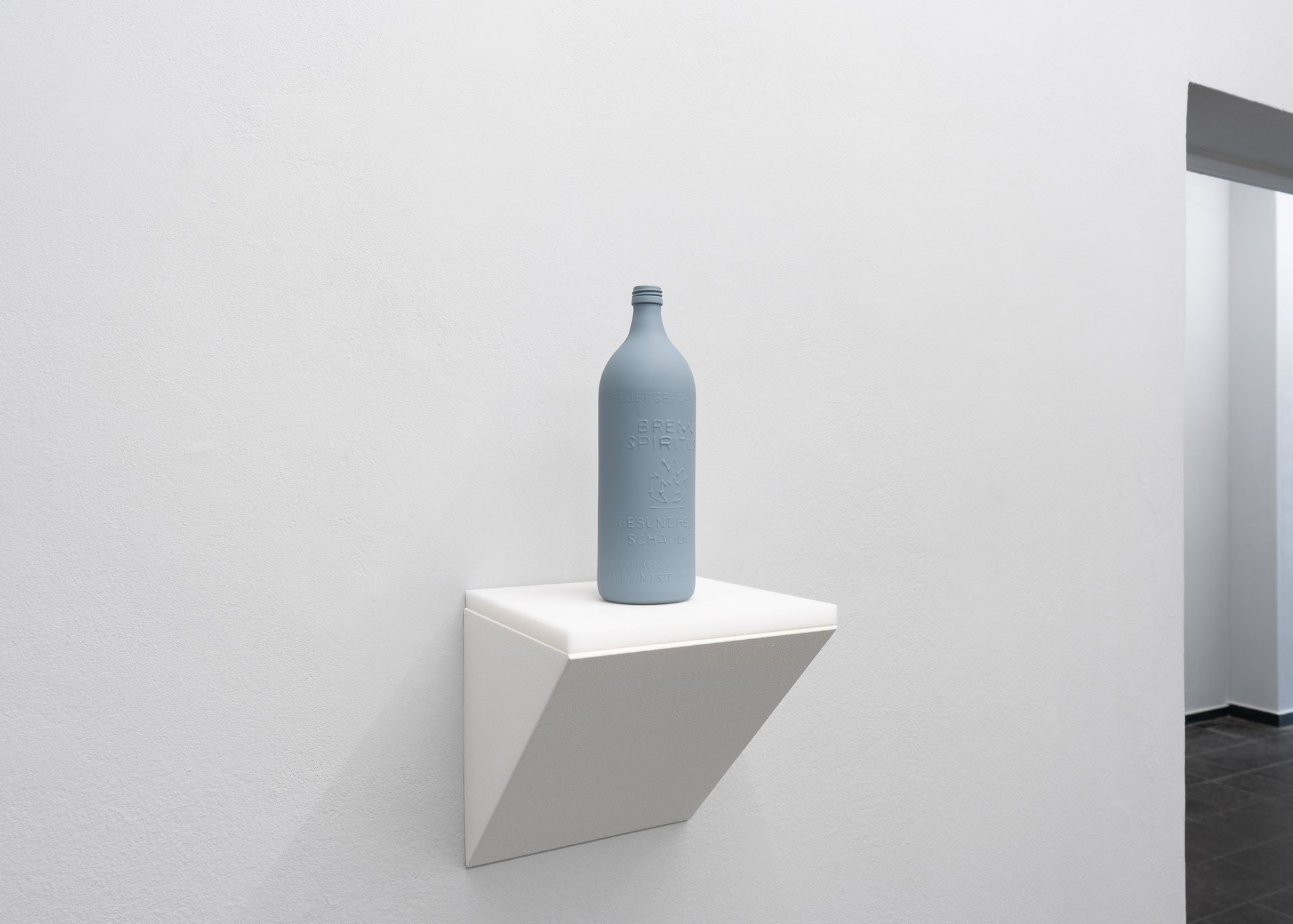
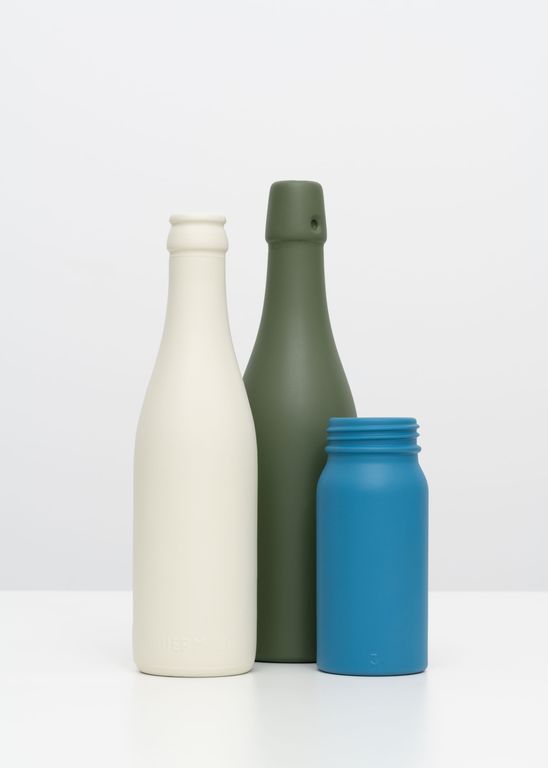
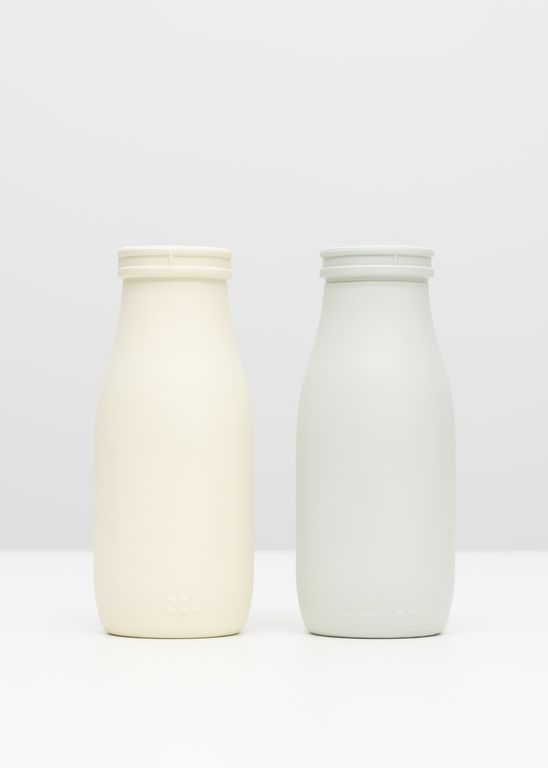
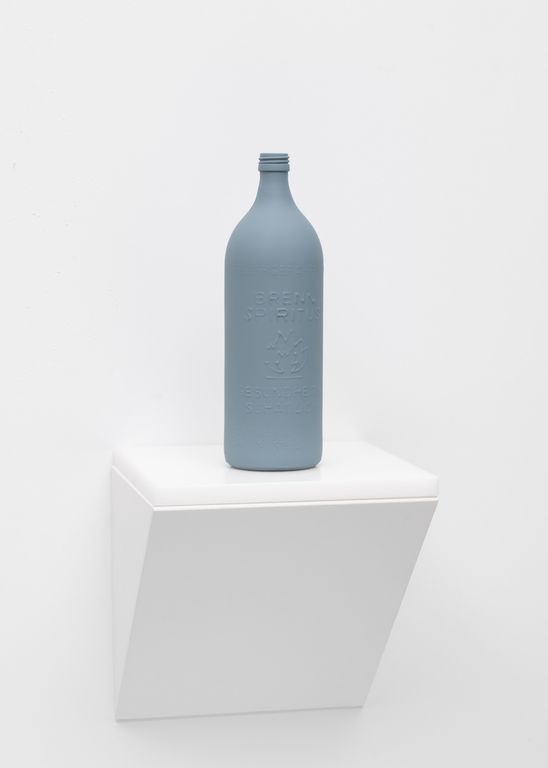
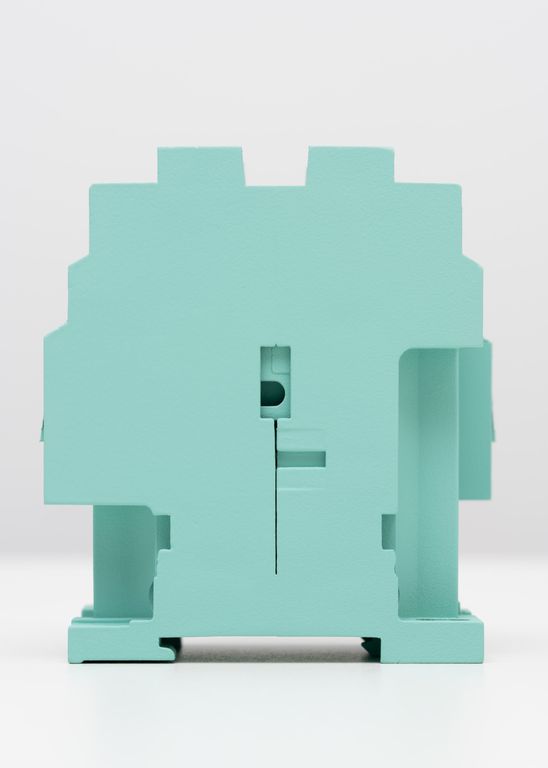
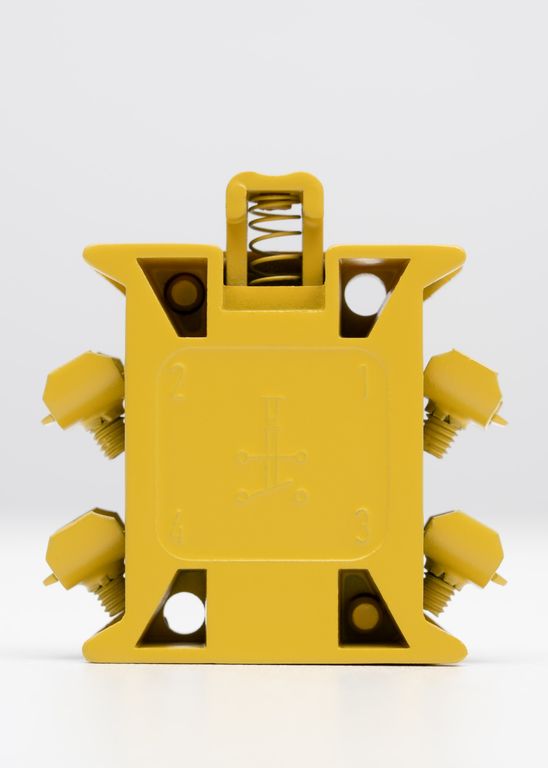
TGL is a series on the state standards of the former GDR. It shows combinations of standard parts and colors of TGL (Technical Standards, Quality Specifications, and Delivery Conditions).
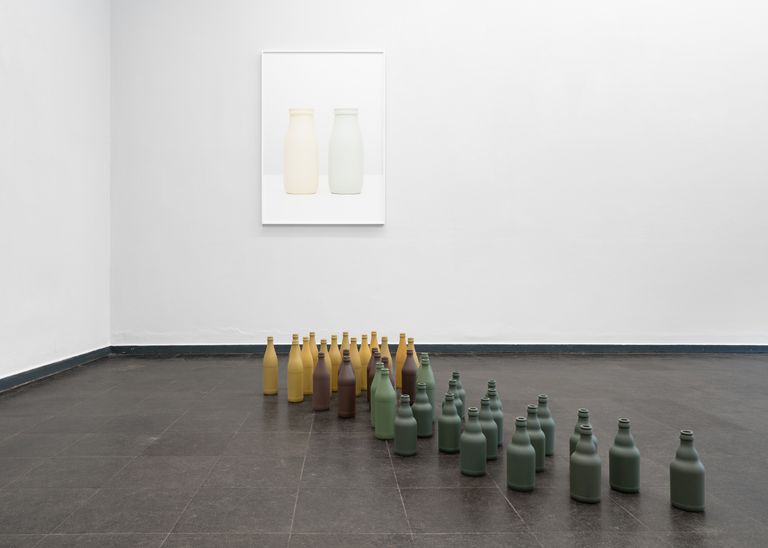
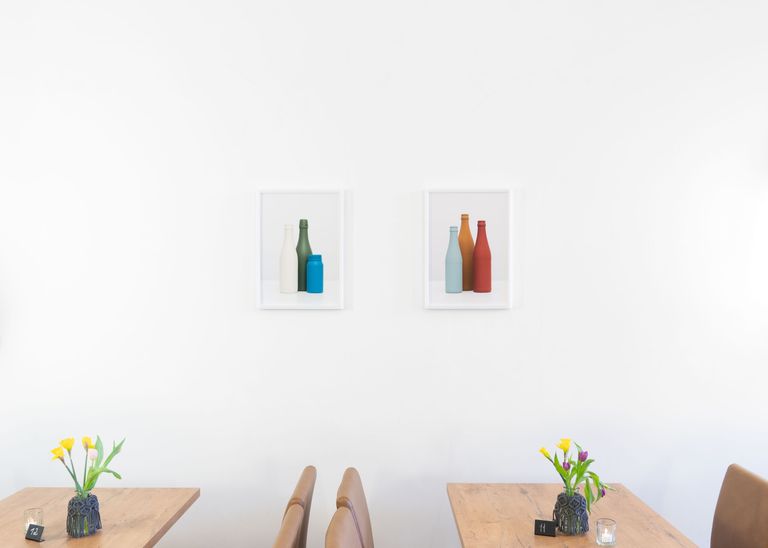
In the planned economy of the GDR, industrial products were centrally standardized. The starting point of the research is a color register from 1977 from the estate of GDR designer Lutz Rudolph and contemporary TGL standard sheets. Based on these sources, the historical use of the state-prescribed colors is traced. Selected color tones are reconstructed as paint colors and applied to TGL standard parts. Painting and setting remove the colors and objects from their industrial functional context and expose their historical layering.
In 1988, the NVA supplemented its traditional camouflage tone Olive Green — adopted from the Wehrmacht — with two new colors, including Twilight Grey 2403. This color was valid for only two years — it vanished with the state
TGL is a series on the state standards of the former GDR. It shows combinations of standard parts and colors of TGL (Technical Standards, Quality Specifications, and Delivery Conditions).
In the planned economy of the GDR, industrial products were centrally standardized. The starting point of the research is a color register from 1977 from the estate of GDR designer Lutz Rudolph and contemporary TGL standard sheets. Based on these sources, the historical use of the state-prescribed colors is traced. Selected color tones are reconstructed as paint colors and applied to TGL standard parts.